Zuke

20130718-170141.jpg

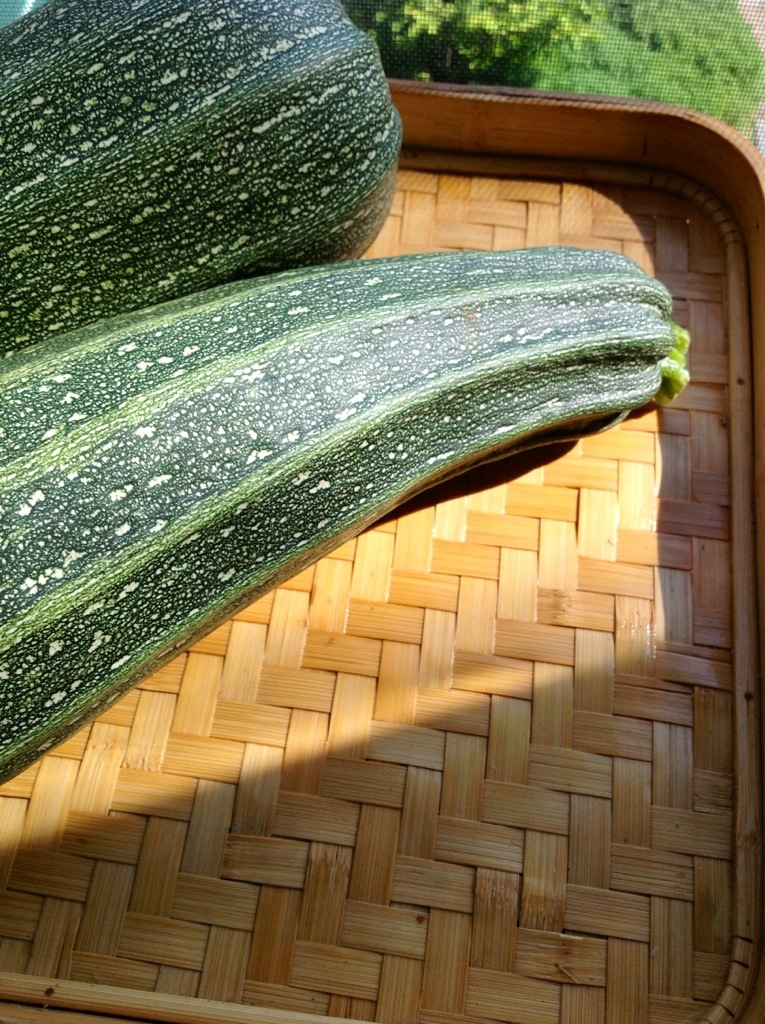
I was gifted with two enormous zucchini from a local gardener. When I heard I was getting two, I thought, how nice, how restrained, just a sample.  I went to pick them up, and I think they must be three pounds each, maybe four. A few days ago, I made, with now what I must now call petite zucchini, linguine from Heidi Swanson’s book, Supernatural Everyday, a cookbook I received after reading at Brookline Bookstore. It calls for wringing or squeezing water out of shredded squash, which is much easier than, say, to do with a stone. The result was delicious. Now I tempted to make her spicy zucchini bread but I must wait until midnight, when it has cooled off enough to turn on the oven.

Whenever I think about cooking at midnight, I am reminded of a poet, Pasquale Verdicchio, who taught several of us how to make Midnight Pasta, a dish so simple, and so heavenly that it needs a magic hour for its own. I had thrown a party, in San Diego, and we were all mildly stunned with drink, so that we needed the fortification of restorative pasta. To learn how to make it, you need a party, spaghetti, garlic, olive oil, red pepper flakes. It sounds like another pasta dish, but it isn’t.

The other day, when I couldn’t sleep, I remembered an ayurvedic recipe from John Douillard’s website, which I made, since the only party I was at was on Facebook.  It might be better mixed in a blender, so you you don’t need to spoon up the dates and almonds, but it did the trick.

I have two fans going on now. It is nearly 5:00 PM. Seven hours to go.
20130718-170005.jpg

Beekeeping

Beehive,_Alton,_Hampshire_-_geograph.org.uk_-_1417197

A friend of mine keeps bees and invited me along to help her introduce a new queen to the hive. I held a small box which contained the new queen and her attendants as they munched away on sugar. A cork that my friend dislodged would create a way for the queen to eat her way out of the box to the new hive, but slowly, so the bees all had time to adjust to one another. We prepared a sugar syrup to spray the bees to help calm them down, and attired in beekeep veils and jumpsuit, my friend led the way to the hive. Using a smoker, she slowly pushed the bees away as she removed box after box of the bee hive or complex, inspecting the screens for cells. Bravely, she scraped off bee cells, while I stood several feet away, ready with the queen. We could hear the burbling sound the bees made and when I ventured close, I could see the way they clustered close, jam-packed like Ashtangis at a popular studio, only much, much more crowded. Finally, my friend asked me to bring over the queen, and she lowered her in. Then each box had to go back.

Finally finished, we toasted our work with wine spritzers as the bees set out to eventually, in their own time, make honey.

a place for an imaginary journey

20130705-150406.jpg

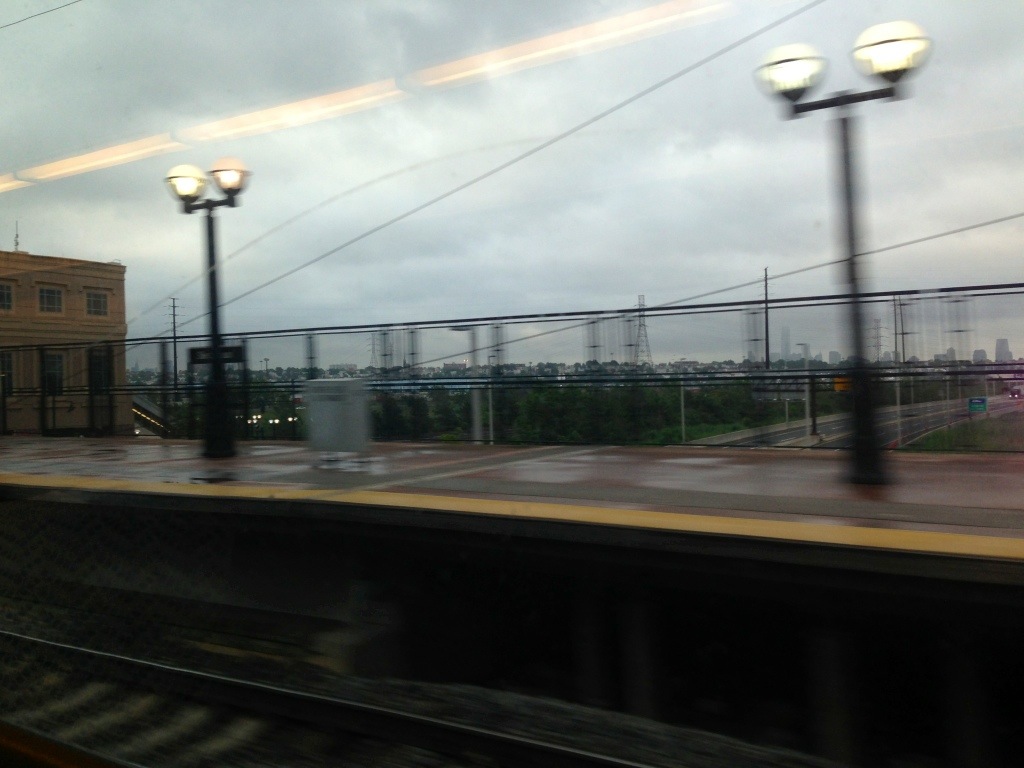
I trekked back to Sag Harbor, where I once had a home, to teach a workshop on imaginary geographies. The landscape flying past my train windows was very much real, a study in contrasts of lush marsh grass hosting a heron or two, to the power plants in the horizon. It was a new train in the LIRR fleet, and all was smooth, easy-going.

At Bridgehampton, I was picked up by a workshop participant, one of six lively women who gathered to write for four hours. In a close circle, we wrote through exercises about the place and self, beginning with settings of familiarity to those of the imagination. After a delicious lunch provided by the host bookstore, Canio’s, we drew imaginary cities and villages on portions of a map of Paris. One by one, the participants revealed their public markets, their factories, their slaughterhouses, and cafes.

We discussed using setting like character, using setting as plot.  We spoke of how characters move through settings, and I wonder now if I mentioned that while in real life, what happens in Vegas might stay in Vegas, in fiction, it cannot.

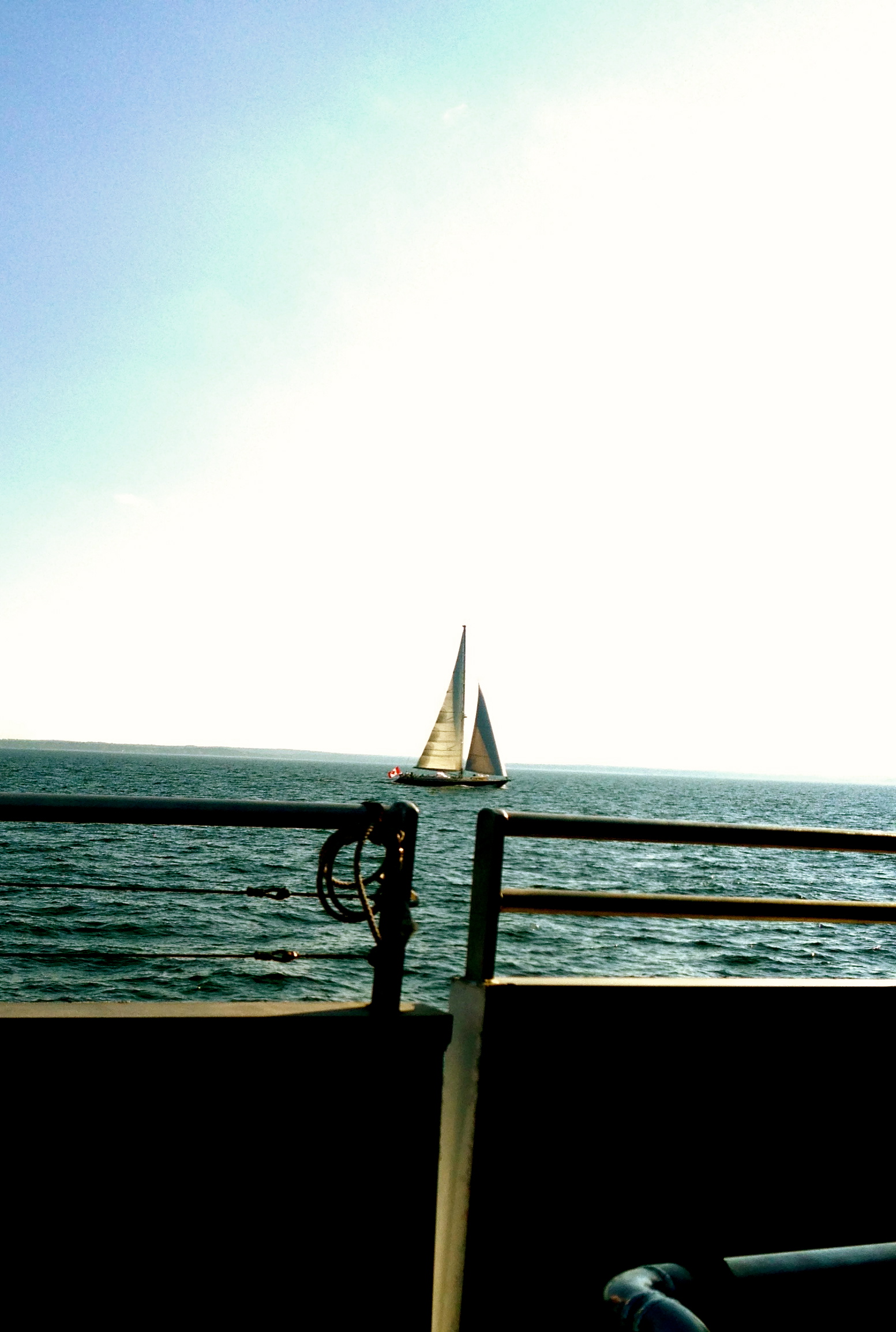
Three days later, I sit at a cafe in the seaport in Boston, where I can glimpse planes taking off, their underbellies gleaming like whales. Melville mentioned Sag Harbor in Moby Dick, a port of trade and business. Here, all is tourism and relaxation, as the temperature climbs toward 95 F, and I wait for a ferry to take me home.

Should we have traveled or stayed at home? In the film, Reaching for the Moon, Elizabeth Bishop walks with Robert Lowell, struggling to compose “The Art of Losing.” Only by traveling into the interior, of a country and her heart, can she complete the poem.

There is a fierce need to complete poems, to complete acts of arts, and to travel, if only to return home, more capable of understanding ourselves and others.

Indira Ganesan, Heading Home, 2013

Indira Ganesan, Heading Home, 2013